
No products in the cart.
PMJ Hospitality
Chapter 10- Decor
Designing the Perfect Bar, Restaurant or Hotel Interior: A Guide for New Owners
Opening your bar, restaurant, or hotel is an exciting venture! However, one of the biggest challenges is designing an interior that reflects your vision and attracts customers. This comprehensive guide covers everything you need to know to create a space with a personality that stands out from the competition.
Developing Your Concept and Theme, and Managing Your Budget
Before picking out furniture and decor, it’s crucial to define your business’s overall concept and personality. This is the foundation of your establishment, the essence that will set you apart. Here are some tips on finding inspiration and narrowing down your vision:
- Think about your target customer. Who are you trying to attract? Young professionals, families, or a distinguished older crowd? Your design choices should appeal to them.
- Consider your brand identity – What do you want to be known for? Elegant fine dining, a casual pub atmosphere or quirky, experimental cocktails? Let this guide the look and feel. For instance, if you’re aiming for an elegant fine dining experience, you might consider a sophisticated colour palette and upscale furnishings.
- Identify your core values – What matters most to you? Sustainability, supporting local businesses or delivering 5-star service? Incorporate this into the space.
- Find inspiration everywhere – Look through interior design magazines, Pinterest, Instagram, and anywhere else you can find excellent bars, restaurants and hotels. Note the elements you like.
- Don’t just copy, get creative! While it’s okay to be inspired by others, don’t just recreate someone else’s concept. This is your chance to come up with a unique theme that truly reflects your vision and brings it to life.
Once you’ve narrowed down the general direction, it will be much easier to make all your design choices confidently.
Crafting an Inviting Atmosphere
Aim to make customers feel comfortable, relaxed and delighted by your surroundings. Ambience is hugely important. Consider the following elements:
Lighting
Proper lighting can make or break a space. Here are lighting tips for different effects:
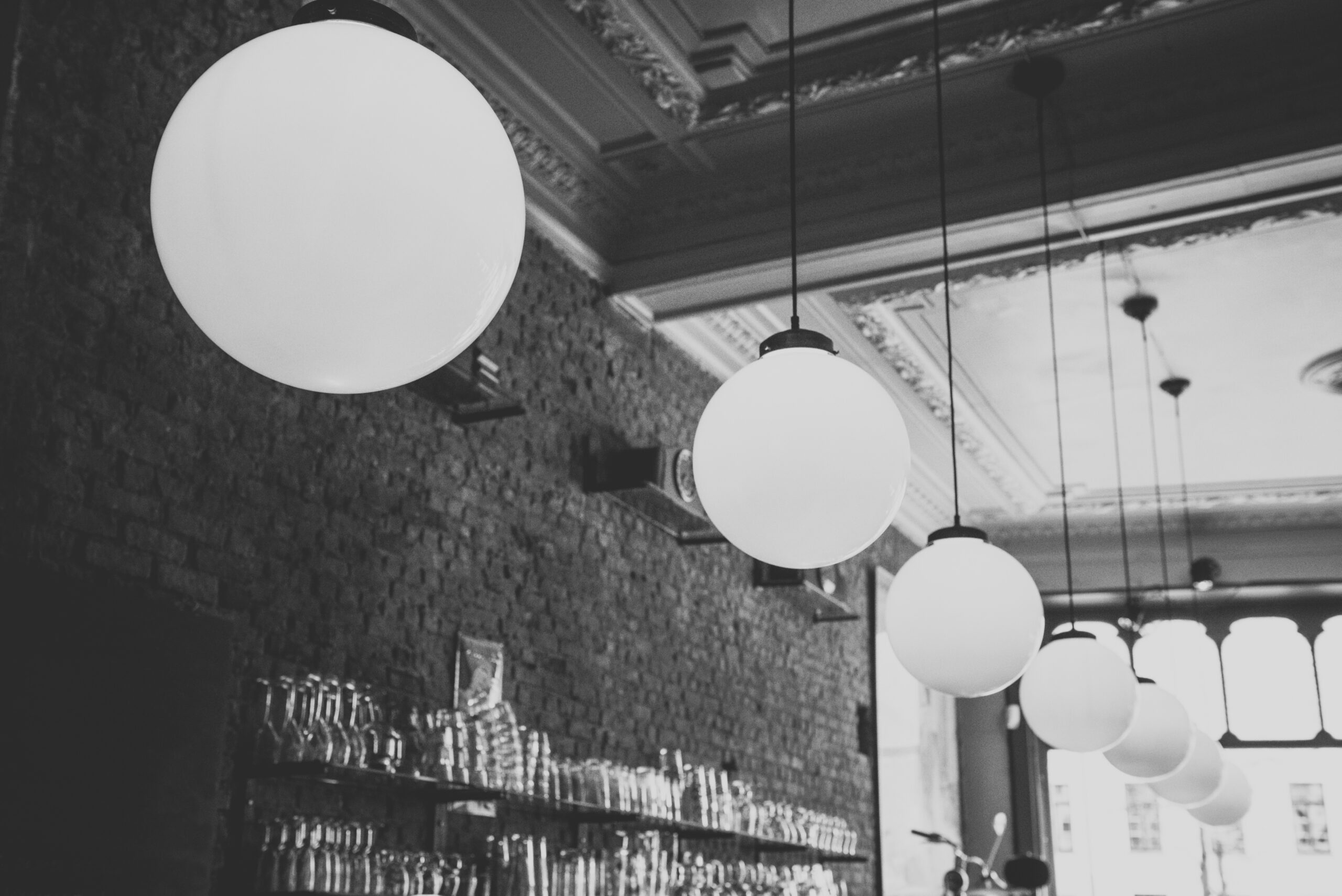
- Soft, mood lighting – Use pendant lights, table lamps or dimmed wall sconces to create an intimate vibe. Candlelight is also warm and romantic.
- Dramatic focal points – Accent the bar, dining areas or other features with track lighting or spotlights. Uplighting can create a glamorous look.
- Natural light—Use windows to create a pleasant, airy atmosphere during the day. Install sheer curtains to filter harsh glares.
- Nightlife lighting – For clubs and lively bars, coloured lights, neon signs, and even a disco ball can amp up the energy at night.
- Overall brightness: Ensure the lighting is bright enough for customers and staff to navigate the space while retaining the desired ambience quickly.
Music
Set the right soundscape by carefully selecting background music. Make a playlist that:
- Sets the mood you want customers to feel
- Fits your venue’s vibe and brand identity
- Appeals to your target demographic
- It is played at an appropriate volume for your space, not too loud
Texture and Materials
Consider the textures of surfaces and furnishings customers will interact with. Some ideas:
- Rough woods like rustic barnwood add cosy warmth
- Polished stone and marble communicate upscale elegance
- Soft fabrics like velvet or leather make seating plush and inviting
- Natural materials like jute rugs or rattan pendant lamps for an earthy character
Scents
Infuse inviting scents to make a memorable impression. Try:
- Essential oil diffusers or scented candles
- Gentle aroma of fresh flowers or potpourri
- Simmering seasonal ingredients like cinnamon or citrus
- Subtle coffee or baked goods scents in cafes
Cleanliness
Keep everything tidy, sanitary, and well-maintained. Dirty surfaces, clutter, and foul odours will turn off customers.
Decor and Furnishings to Bring Your Vision to Life
Search for decor items, furniture and finishes that express your concept. Think outside the box!
Wall Decor Ideas
- Framed artwork
- Neon or metal signs
- Tapestries, textiles or quilts
- Wallpaper or faux treatments like wood planks or brick
- Shelves displaying decor objects, books or plants
Flooring Options
- Hardwood
- Tile
- Stone
- Polished concrete
- Vinyl wood plank
- Carpet (for lounge areas)
Ceiling Accents
- Exposed beams or brick
- Suspended lights or lanterns
- Wood slats or barnwood
- Paint or wallpaper
Bold Furniture
Make a statement with unique chairs, couches, tables or bars featuring:
- Distinct shapes and silhouettes
- Bright, contrasting colours
- Distressed or weathered materials
- High-end luxury materials like leather or velvet
Eye-Catching Accent Pieces
- Sculptures, statues or busts
- Vintage items like suitcases, cameras or bicycles
- An aquarium or terrarium
- Jukebox, gumball or arcade game
- Vibrant plants, greenery or flowers
The Bar
If you’ll serve alcohol, the bar is one of the most essential elements. Make it inviting and impressive with the following:
- Ornate mouldings, metalwork or carvings
- Unique materials like hammered copper or zinc
- An eye-catching backsplash
- Shelving to display bottles and glassware
Restaurant Layout Tips
Carefully map out your restaurant floor plan to utilise space efficiently. Keep these tips in mind:
- Place the bar, reception and waiting area near the entrance to greet guests
- Ensure the kitchen and bathrooms are easily accessible
- Arrange seating to allow ample room between tables for server access and customer comfort
- Use partitions, greenery and lighting zoning to define separate dining spaces for intimate or large groups
- Incorporate some cosy lounge seating away from the main dining room for pre-meal drinks
- Opt for flexible furnishings like high-top tables that can be moved around rather than fixed booths
Hotel Guest Room Design
For hotels and inns, optimise guest rooms for comfort, convenience and a peaceful retreat.
- Choose a cohesive theme like coastal, rustic or contemporary
- Select durable, high-quality bedding, mattresses and linens
- Incorporate needed storage and surfaces like desks, dressers and nightstands
- Add plush seating, robust lighting and attractive artwork
- Design efficient bathrooms with sufficient space, lighting and amenities
- Include practical touches like charging stations, mini-fridges and coffee makers
- Specify therapeutic additions like essential oil diffusers or sleep-inducing lighting
Final Touches to Complete the Look
Finish your space with thoughtful details and polish. Consider:
- Custom-engraved drinkware and glassware
- High-quality flatware, dishes and linens
- Nicely printed, laminated menus
- Monogrammed napkins, towels and robes (for hotels)
- Branded matchboxes, coasters or other swag
- Curated retail selection to match your vibe
Bringing It All Together
With your concept defined, layout planned, and decor and furnishings ready, it’s time to bring your interior design to life! Follow this process:
- Clean and prepare—Have the space professionally deep-cleaned and address any maintenance issues, such as leaks or cracks. Paint the walls a neutral base colour if needed.
- Install flooring – This is often best done before moving in furniture. Replace worn carpeting or outdated tile with your new flooring.
- Add lighting. Electricians can install new fixture boxes and wiring, placing lighting in areas you want to highlight.
- Build-out structure: Construct any major built-ins and design elements, such as the bar, back bar, service stations, or feature walls.
- Paint and finish—Apply any special finishes, such as textured paint techniques or wallpaper. Paint accent walls and ceilings in your chosen colours.
- Decorate – Add all your art, mirrors, wall decor and sculptures. Display any collections.
- Furnish—Assemble tables, chairs, bars, beds, and sofas. Decorate with tablecloths, pillows, and greenery.
- Final polish – Add final touches like candles, aroma diffusers, and music players. Make sure everything sparkles!
Frequently Asked Questions
How much does it cost to design a bar or restaurant?
Costs vary greatly based on size, concept, materials and more. But expect an average investment of $200-$500 per square foot. This covers construction, flooring, lighting, furnishings, kitchen equipment and decor.
How do I find an interior designer?
Search online portfolios to find designers who specialise in hospitality spaces and have projects similar to yours. Interview several and hire one with the right experience, creative vision, and personality fit.
Should I buy used restaurant furniture?
While vintage or reclaimed furnishings can have many characters, they may not withstand heavy use. Prioritise durability and use it only for accent pieces, not tables and chairs that see daily wear and tear.
How often should I refresh or renovate?
While a significant redesign is expensive, minor refreshes every 3-5 years help keep things feeling fresh, modern and clean. Replace worn surfaces and update decor while keeping your overall concept consistent.
How can I design an eco-friendly space?
Use sustainable materials like reclaimed wood and reduce waste. Incorporate live plants for natural air purification. Install energy-efficient appliances and lighting. Provide recycling and compost bins for customers.
Conclusion
The interior design of your establishment sets the tone for the entire customer experience. By making thoughtful choices that bring your unique vision to life, you’ll create an environment customers won’t resist. Take the time to get it right; your dream bar, restaurant, or hotel will thrive for years. Let me know if you have any other questions!